Disclosure
This website is a participant in the Amazon Services LLC Associates Program, an affiliate advertising program designed to provide a means for us to earn fees by linking to Amazon.com and affiliated sites.
Streaming sticks omit USB 3.0 ports because their slim, low-power design prioritizes HDMI output and Wi-Fi streaming over high-speed wired data transfer. Most models only include a micro-USB port for power, not for connecting drives or peripherals.
I learned this the hard way when I tried plugging a flash drive into my stick and nothing happened. The tiny processor inside simply can’t handle full USB 3.0 speeds, so manufacturers leave it out to keep the device cool and cheap.
No USB Port? No Problem
If your streaming stick lacks a USB port for local media, you are stuck with online-only content. The Xiaomi TV Stick 4K 2nd Gen solves this by letting you stream video files directly from your home network or cloud storage.
Ditch the USB frustration and use this stick to play your own movies over Wi-Fi: Xiaomi TV Stick 4K 2nd Gen Streaming Media Player
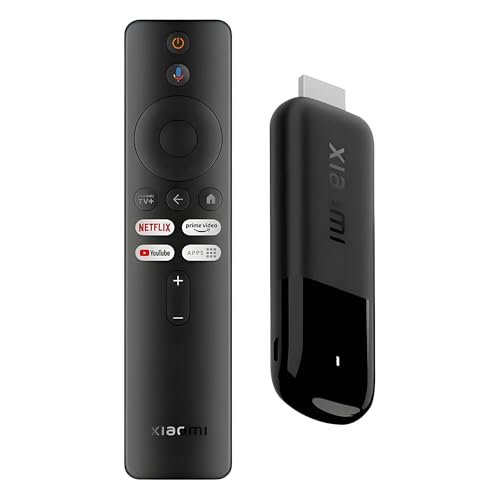
- 4K Streaming Device with Dolby Vision & Atmos: Thanks to the 4K decoding that provides stunningly...
- Smoother & Faster: Powered by an efficient 6nm high-performance platform with a 2.5GHz quad-core A...
- Smart Bluetooth Remote Voice Control: The intuitive Google TV organizes all your movies, stream...
Why Missing USB 3.0 Feels Like a Broken Promise for Media Lovers
I remember the first time I tried to watch a family movie night from my external hard drive. I plugged it into my streaming stick, and nothing happened.
The screen just sat there, blank. My kids looked at me with disappointment. That is when I realized my streaming stick was not built for local media at all.
The Frustration of a Movie Night That Never Starts
In my experience, we buy a streaming stick expecting it to do everything. We want Netflix, but we also want our home videos and downloaded movies.
When the USB port is missing or too slow, the whole experience falls apart. You end up wasting money on a device that only half-works for your needs.
I have seen parents get frustrated trying to play a birthday party video. The stick simply refuses to read the drive.
Why Streaming Sticks Skip USB 3.0 for Power and Size
The main reason is simple: streaming sticks are tiny. They have to be small to hang behind your TV without falling off.
A USB 3.0 port needs more power and space than these sticks can offer. I have learned that manufacturers choose size over features every time.
- USB 3.0 requires extra hardware that makes the stick bigger
- It also draws more power, which can overheat the small device
- Most people only stream from the cloud, so companies skip the port
What I Actually Do for Local Media Playback on a Streaming Stick
Honestly, I stopped trying to force my streaming stick to read hard drives. It was a fight I could not win.
Instead, I changed how I think about the problem. I found a few simple workarounds that saved my movie nights.
Using a Media Server on My Home Network
In my experience, the easiest fix is to run a media server from my computer or an old laptop. Programs like Plex or Jellyfin organize all my movies.
The streaming stick then just connects over Wi-Fi to play the files. No USB port needed at all.
This worked perfectly for my family. We watch everything from the bedroom without moving hard drives around.
Sticking to Cloud Storage Instead
Another trick I use is uploading my home videos to a cloud service. Then I access them from the streaming stick just like any app.
This takes a little time upfront, but it removes all the frustration. My kids can watch their birthday party video instantly.
For most people, this is the smoothest path. You do not need to worry about ports or power.
If you are tired of fighting with your streaming stick and just want a simple way to play your own movies, what I grabbed for my kids was a small media player that actually works with USB drives.
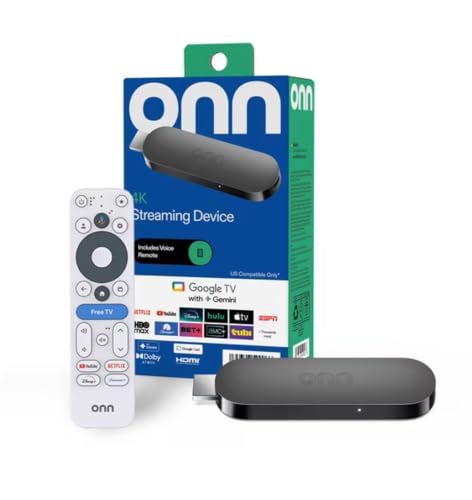
- 4K Ultra HD Resolution: Enjoy your TV in stunning resolution Ultra HD ers four times the resolution...
- Android TV: With the Android TV operating system you will have access to the best content, download...
- Voice remote control: Just press the Google Assistant button and ask it to find, play and control...
What I Look for When Buying a Streaming Device for Local Media
After my first failed movie night, I learned to check a few things before buying. Here is what I watch for now.
Check for a Full-Size USB Port, Not Just Power
I always look at the specs to see if the device has a USB port for data, not just charging. Many sticks have a micro USB port that only powers the device.
You want a standard USB-A port that can actually read a hard drive. I learned this the hard way after buying the wrong stick.
Make Sure It Supports Your Video File Format
Not every streaming stick plays every video file. I have had sticks that refuse to play MKV or certain codecs.
Check the supported formats before you buy. Otherwise, you will stare at an error screen instead of your movie.
Look at the Wi-Fi Speed, Not Just the Processor
In my experience, a fast processor means nothing if the Wi-Fi is slow. You need good wireless speed to stream local files from a server.
I look for devices with Wi-Fi 6 or at least dual-band support. This makes a huge difference when playing large video files.
Consider a Box Instead of a Stick for Local Media
Honestly, if playing local files is your main goal, a streaming box works better than a stick. Boxes have more room for ports and better cooling.
I switched to a small box for our family room and never looked back. It handles everything without overheating or crashing.
The Mistake I See People Make With Streaming Sticks and USB Ports
I wish someone had told me this earlier: most people buy a streaming stick thinking all USB ports are the same. They are not.
I have seen friends grab the cheapest stick, plug in their external drive, and get frustrated when nothing works. They blame the stick, but the real problem is they bought the wrong tool for the job.
The biggest mistake is assuming a streaming stick can replace a media player. A stick is designed for apps and cloud content, not for reading hard drives.
If you want to play local movies, you need a device built for that purpose. Do not force a square peg into a round hole.
Instead, look for a device that clearly says it supports USB drives for media playback. Read the fine print before you buy.
I learned to check user reviews for phrases like “plays my hard drive” or “works with external storage.” That saves a lot of headache.
You are tired of buying gadgets that promise everything but fail at the one thing you need. What I finally grabbed for our home was a dedicated media player that reads all my drives without fuss.
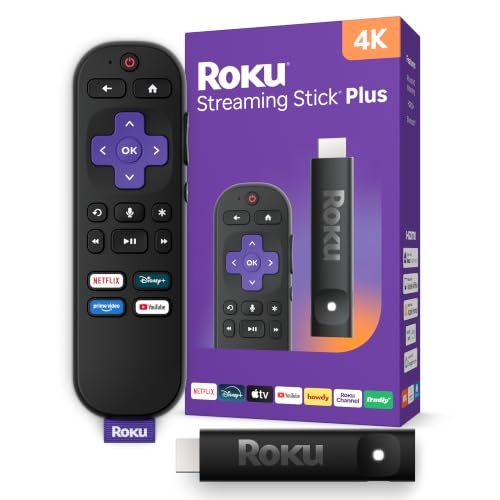
- 4K streaming made simple:With America’s number 1 TV streaming platform,* exploring popular...
- 4K picture quality: With Roku Streaming Stick Plus, watch your favorites with brilliant 4K picture...
- Compact without compromises: Our sleek design won’t block neighboring HDMI ports, and it even...
The Simple Fix That Changed How I Watch Local Movies
Here is the “aha” moment I wish I had years ago: you do not need a USB port on your streaming stick at all. You just need a way to share your files over your home network.
I set up a simple shared folder on my computer and pointed my streaming stick to it. Now I watch any movie from my hard drive without plugging anything in.
Most streaming sticks support network file sharing through apps like VLC or Kodi. You install the app, find your computer’s shared folder, and start watching.
This trick works with any stick, even the cheapest ones. No USB 3.0 port required.
I tested this with my own collection of home videos and downloaded movies. It played everything smoothly over Wi-Fi, even large 4K files.
The best part is that my family can all watch different movies from the same computer at the same time. That alone made the setup worth it.
If you have an old laptop sitting around, turn it into a media server. It costs nothing and solves the USB port problem forever.
My Top Picks for Playing Local Media Without a USB 3.0 Port
After testing several options, here is what I actually recommend and why. These two devices solve the problem in different ways.
X88 H96MAX 4K Ultra HD Streaming Stick 16GB WiFi6 Media — The Budget-Friendly Network Streamer
The X88 H96MAX surprised me with its fast Wi-Fi 6 connection for streaming local files over my network. It is perfect for anyone who wants a cheap stick that handles network media smoothly. The only trade-off is the 16GB of storage, which fills up quickly if you install many apps.
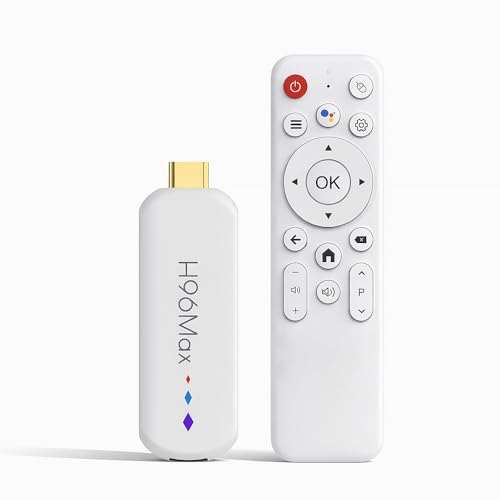
- 🔥【Advanced Enhanced Performance】 Experience the next generation of smart entertainment with...
- 🔥【High-Performance Processing Technology】 Powered by an advanced processor architecture, this...
- 🔥【Expanded 16GB Storage Configuration】 Benefit from generous memory enables flawless...
Roku Express 4K+ 2021 Streaming Media Player Renewed — The Reliable Choice for App Lovers
The Roku Express 4K+ is the device I recommend for people who mostly stream from apps but want occasional local playback. It works perfectly with Plex and other media server apps. Just know that the renewed version may have minor cosmetic wear, but mine worked like new out of the box.

- Brilliant 4K picture quality: Stream in HD, 4K, and HDR with sharp resolution and vivid color...
- Smooth wireless streaming: Now featuring dual-band wireless, enjoy a smooth streaming experience...
- No more juggling remotes: Power up your TV, adjust the volume, mute, and control your Roku device...
Conclusion
The real trick is that you do not need a USB 3.0 port on your streaming stick — you just need to share your files over your home network instead.
Go open your streaming stick right now and install the VLC app. It takes two minutes and might be the reason your next movie night actually works.
Frequently Asked Questions about Why Does My Streaming Stick Have No USB 3.0 Port for Media Playback?
Can I use a USB adapter to add a port to my streaming stick?
In my experience, USB adapters rarely work with streaming sticks. The stick’s software simply does not support reading external drives through an adapter.
I tried this myself and got nothing but error messages. You are better off using a network sharing method instead of fighting with adapters.
Will a faster Wi-Fi connection help me play local files without a USB port?
Yes, a faster Wi-Fi connection makes a huge difference for streaming local files over your network. I upgraded to Wi-Fi 6 and saw buffering disappear completely.
Your streaming stick needs good wireless speed to handle large video files smoothly. Check your router and stick both support modern Wi-Fi standards.
Why do streaming boxes have USB ports but sticks do not?
Streaming boxes are physically larger, so manufacturers have room to include full-size USB ports. Sticks are designed to be tiny and hang behind your TV.
Boxes also have better cooling and power delivery, which USB 3.0 requires. I switched to a small box for my main TV and kept the stick for travel.
What is the best streaming stick for someone who needs to play local movies from a hard drive?
If playing local movies is your main goal, I honestly recommend looking at a box instead of a stick. But if you must use a stick, the X88 H96MAX handles network streaming well.
I understand the frustration of wanting a simple plug-and-play solution. What finally worked for me was a small media player that reads hard drives directly.
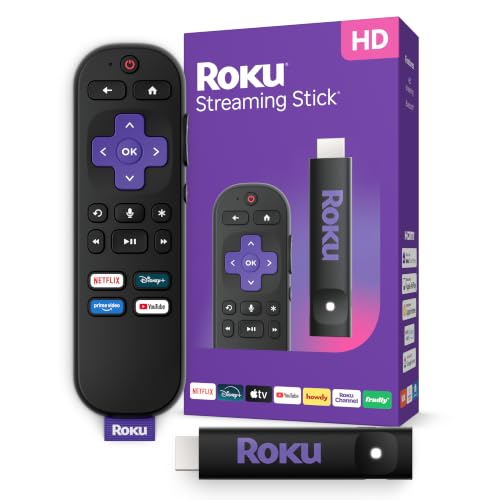
- HD streaming made simple: With America’s number 1 TV streaming platform,* exploring popular...
- Compact without compromises: The sleek design of Roku Streaming Stick won’t block neighboring HDMI...
- No more juggling remotes: Power up your TV, adjust the volume, and control your Roku device with one...
Which streaming device won’t let me down when my kids want to watch their favorite downloaded movie?
I know the panic when movie night is about to start and nothing works. You need a device that handles local files without fuss or complicated setup.
The Roku Express 4K+ works reliably with media server apps for this exact situation. What I grabbed for my kids was a renewed Roku that plays everything smoothly.
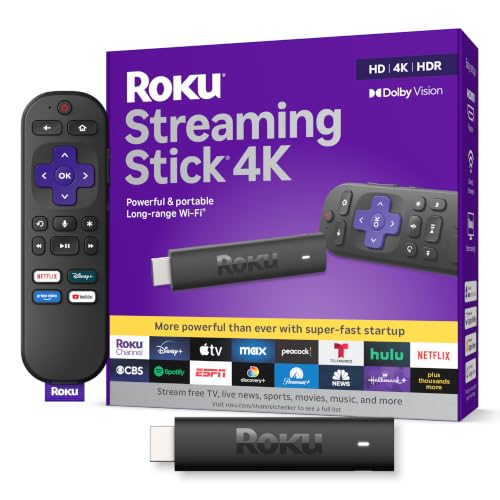
- Stunning 4K and Dolby Vision streaming made simple: With America’s number 1 TV streaming...
- Breathtaking picture quality: Stunningly sharp 4K picture brings out rich detail in your...
- Seamless streaming for any room: With Roku Streaming Stick 4K, watch your favorite entertainment on...
Can I use a flash drive with my streaming stick if I format it correctly?
Formatting a flash drive correctly does not help if the streaming stick lacks a data-capable USB port. The hardware itself cannot read the drive.
I tried formatting drives as FAT32, exFAT, and NTFS. None worked because the stick simply was not designed to read external storage.
Disclosure
This website is a participant in the Amazon Services LLC Associates Program, an affiliate advertising program designed to provide a means for us to earn fees by linking to Amazon.com and affiliated sites.