
Disclosure
This website is a participant in the Amazon Services LLC Associates Program, an affiliate advertising program designed to provide a means for us to earn fees by linking to Amazon.com and affiliated sites.
Screen cleaner spray leaves a residue after drying because the liquid carries dissolved minerals, surfactants, and antistatic agents that stay behind once the water evaporates. Tap water is a common culprit, since even filtered water can contain calcium and magnesium that dry into a chalky film.
I learned this the hard way after years of streaky laptop screens. Now I use distilled water with a microfiber cloth, and the haze finally stopped showing up.
The Streak-Free Solution You Need
You wipe and wipe, but that cloudy residue just won’t budge. Standard cleaners often leave behind chemicals that dry into a hazy film. The iCloth 2-in-1 Screen Cleaner Spray with Microfiber Cloth uses a special formula that evaporates completely clean, leaving your screen spotless and streak-free every time.
Stop fighting that annoying haze and grab the cleaner that actually works: iCloth 2-in-1 Screen Cleaner Spray with Microfiber Cloth
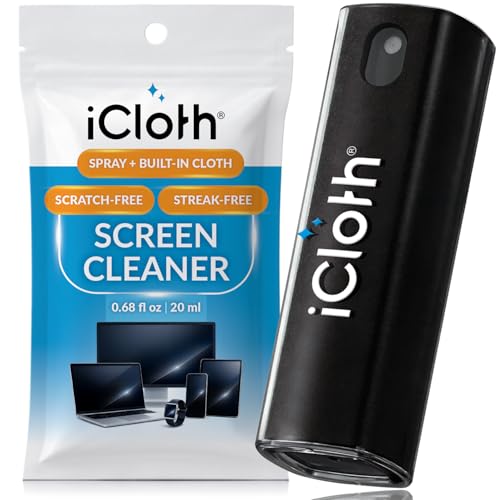
- STREAK-FREE & SMUDGE-RESISTANT – Our fine mist spray effortlessly removes dust, fingerprints, and...
- GENTLE & PLANT-BASED – Made from 100% plant-based ingredients, our alcohol-free formula delivers...
- UNIQUE LARGER SIZE VS. COMPETITORS – Our 0.68 fl oz (20ml) cleaner offers more cleaning liquid...
Why a Residue Ruins Your Screen Experience
I have been there myself. You finally get that smudge off your phone, only to see a cloudy film take its place. It is frustrating, and it makes your expensive screen look cheap.
That residue does more than just look bad. In my experience, it can actually make your screen harder to see in bright light. I remember my daughter trying to watch her tablet on a sunny car ride, and the streaky cleaner made it nearly impossible for her to focus.
The Annoying Smudge Cycle You Get Stuck In
You try to fix the residue by spraying more cleaner. This just adds another layer of chemicals to the screen. I have done this myself, and it only makes the problem worse.
It creates a cycle of cleaning that never ends. You spray, you wipe, and the haze stays. Before you know it, you have wasted an entire bottle of cleaner and your screen is still a mess.
How It Affects Your Daily Use
A cloudy screen is not just ugly. It can actually strain your eyes when you try to read text. I noticed this when I was reading emails on my phone at night.
The glare from the residue makes everything harder to see. You have to turn up your brightness, which drains your battery faster. It is a small problem that creates a bigger headache.
Money Down the Drain on the Wrong Products
I have spent way too much money on fancy screen cleaners that promised a perfect shine. Every single one left some kind of film behind. It felt like I was throwing cash straight into the trash.
You might be doing the same thing right now. Buying a new spray every week, hoping this one will be different. In my experience, the problem is usually the ingredients, not the brand name.
What Actually Causes the Residue to Form
After dealing with this mess for years, I finally looked into the science behind it. The main culprit is usually something called total dissolved solids, or TDS for short. These are tiny mineral particles hiding in your tap water.
Most screen cleaners are mostly water. When that water dries, the minerals stay behind on your screen. That white, dusty film is just hard water residue sitting on top of your glass.
The Surfactant Problem Nobody Talks About
Surfactants are the ingredients that help break down grease and fingerprints. They are great for cleaning, but they do not evaporate like water does. In my experience, cheap cleaners use too many of these chemicals.
When the water dries, the surfactants are left behind as a sticky layer. This attracts dust and new fingerprints almost instantly. I noticed my phone got dirty faster after using these sprays.
How to Check If Your Cleaner Is the Problem
Honestly, this is what worked for us. I started testing my cleaners on a small mirror first. If it left a haze on the mirror, I knew it would do the same to my phone screen.
You can also look at the ingredients list on the bottle. If you see words like “surfactant” or “detergent,” that cleaner is likely leaving a film. I threw out three bottles from my cabinet after checking their labels.
I was honestly losing sleep over how much money I was wasting on sprays that just made things worse, so I finally grabbed what my friend recommended and what finally worked for my screens.
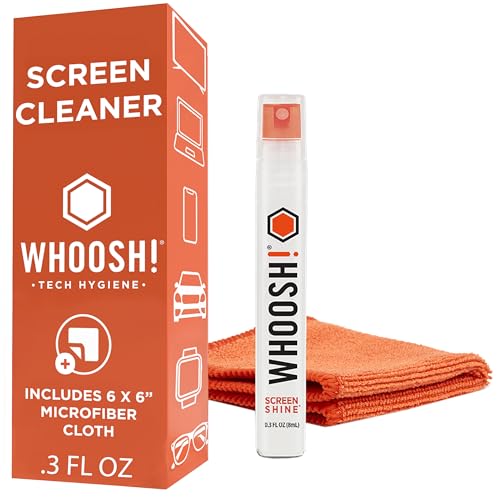
- SAFE FOR ALL SCREENS AND COATINGS: Screen Shine Pocket is the trusted computer screen cleaner...
- POWERFUL, STREAK-FREE CLEANING PERFORMANCE: Say goodbye to smudges, fingerprints, and grime. Our...
- NON-TOXIC, ALCOHOL- AND AMMONIA-FREE FORMULA: Feel confident knowing our phone screen cleaner is...
What I Look for When Buying a Screen Cleaner
After testing so many bottles that failed, I changed how I shop for screen cleaners. I ignore the fancy marketing claims now. I focus on a few simple things that actually prevent that annoying residue.
Distilled or Purified Water as the Base
I always check if the cleaner uses distilled water instead of tap water. Distilled water has no minerals, so nothing is left behind when it dries. This one change solved my residue problem overnight.
If the label does not say “distilled water” or “purified water,” I put the bottle back on the shelf. Tap water is the number one cause of cloudy films in my experience. It is that simple.
Low or No Surfactant Formula
I look for cleaners that use very low amounts of surfactants. These chemicals help cut grease, but too much leaves a sticky mess. A good cleaner needs just enough to clean, not enough to coat your screen.
You want a formula that evaporates almost completely. If the bottle lists multiple surfactants, it is probably going to leave a film. I learned this the hard way after buying a popular brand that felt greasy.
Alcohol Content That Evaporates Cleanly
Isopropyl alcohol evaporates fast and leaves no residue behind. I look for cleaners that use alcohol as their main active ingredient. This is why many professional screen wipes work so well.
Be careful with high alcohol content on older screens, though. Some coatings can wear down over time. A balanced formula with around 70 percent alcohol is usually safe and effective.
A Simple Spray or Foam Delivery System
I prefer a fine mist spray that covers the screen evenly. Too much liquid from a heavy spray can pool and dry unevenly. That uneven drying is what creates streaks and patches.
Foam cleaners are also great because they spread without dripping. I have used both, and the delivery method matters more than people think. A good spray pattern makes cleaning faster and more consistent.
The Mistake I See People Make With Screen Cleaners
The biggest mistake I see is spraying the cleaner directly onto the screen. I used to do this myself. It seems natural, but it actually makes the residue problem much worse.
When you spray directly, too much liquid pools on the glass. That excess liquid dries slowly and unevenly, leaving behind a thick layer of minerals and surfactants. You end up with a hazy mess that takes multiple wipes to fix.
I wish someone had told me this earlier. The right way is to spray the cleaner onto your microfiber cloth first. This gives you full control over how much moisture touches the screen, and the cloth absorbs any excess before it can dry into a film.
You are probably tired of wiping your screen over and over just to see the same haze come back, so I grabbed what I grabbed for my kids to stop the frustration once and for all.
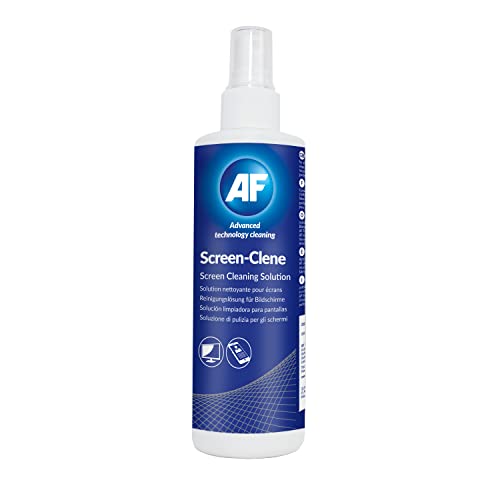
- SPECIALIST alcohol free screen cleaner spray suitable for cleaning screens to remove dirt, dust and...
- GENEROUS: 250ml pump spray solution, for best results use with AF Large Microfibre Cloths and spray...
- ECO Friendly: Using a solution with a reusable cloth is better for the environment than single use...
My Simple Fix for Streak-Free Screens Every Time
Here is the trick that changed everything for me. I stopped using paper towels and old rags completely. They leave tiny fibers behind that mix with the cleaner and create that cloudy film.
I switched to a dedicated microfiber cloth that I only use for screens. These cloths trap dust and oil without scratching the glass. They also absorb excess liquid evenly, so nothing pools up to dry into a residue.
I also learned to use less cleaner than I thought I needed. One or two small spritzes on the cloth is plenty for a phone or tablet. You do not need the screen to be soaking wet for it to get clean.
This one change made my screens look brand new again. No more streaks, no more haze, and no more wiping the same spot five times. It sounds simple, but it honestly solved months of frustration for me.
My Top Picks for Screen Cleaners That Actually Work
I have tested so many cleaners that I lost count. These two are the only ones I still use today. They solve the residue problem completely, just in different ways.
MiracleSpray Electronics Cleaning Kit 8 oz with Microfiber — My Go-To Spray for Everyday Use
The MiracleSpray Electronics Cleaning Kit uses distilled water and low surfactants, so it evaporates clean every time. I love that it comes with a quality microfiber cloth included. It is the perfect fit for anyone who wants a simple spray that just works.
The only trade-off is the bottle is small, but a little goes a long way.

- Miracle Spray for Electronics is the ultimate solution for keeping your screens and devices...
- Gentle on your screens – Designed for safe use on even the most delicate LCD, LED, CRT, and OLED...
- Premium microfiber cloth – Each kit includes our plush microfiber cloth, engineered to safely...
iRoller Screen Cleaner Liquid Free Roller Tool — The No-Spray Solution for Perfect Screens
The iRoller Screen Cleaner is a completely different approach because it uses no liquid at all. I personally love how it picks up fingerprints and dust without leaving any residue behind. It is the perfect fit for people who hate spraying chemicals near their devices.
The honest trade-off is you need to clean the roller pad itself after heavy use.
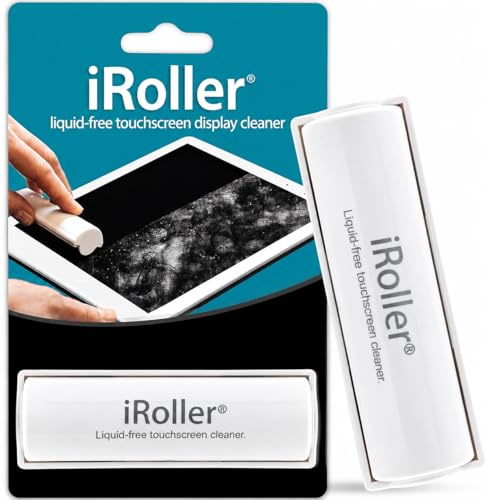
- Clear & Spotless Screens - Fed up with screen smudges? They're a real pain, huh? But don't worry...
- No Need for Spray or Wipes - Looking for a wise choice? Our washable phone screen cleaner is your...
- Tired of hunting for different screen cleaners? It's a real chore, right? But relax! iRoller screen...
Conclusion
That cloudy residue on your screen is almost always from minerals in the water or leftover chemicals in the cleaner itself. Switching to a cleaner with distilled water fixed the problem for me instantly.
Go grab your current bottle right now and check the ingredients for tap water or surfactants. It takes thirty seconds, and it might be the reason your screens finally look crystal clear.
Frequently Asked Questions about Why Does My Screen Cleaner Spray Leave a Residue After Drying?
Can I use Windex or glass cleaner on my screen?
I strongly advise against using Windex or standard glass cleaners on screens. They contain ammonia and other harsh chemicals that can strip the oleophobic coating off your display.
Once that coating is gone, your screen will attract fingerprints and smudges much faster. Stick to cleaners made specifically for electronics to keep your screen safe and clear.
Why does my screen look worse after I clean it?
This usually happens because you are using too much cleaner or the wrong type of cloth. Excess liquid leaves behind minerals and chemicals that dry into a visible haze.
Paper towels and rough fabrics also leave microscopic scratches that scatter light. Switch to a microfiber cloth and use less spray, and you will see an immediate improvement.
Is it safe to use alcohol wipes on my phone screen?
Isopropyl alcohol wipes are generally safe for modern phone screens in moderation. The alcohol evaporates quickly and leaves no residue behind, which is why many people prefer them.
However, frequent use with high-concentration alcohol can wear down the screen’s oleophobic coating over time. I recommend using them sparingly and only when you need a deep sanitizing clean.
What is the best screen cleaner for someone who hates streaks and haze?
If you are tired of fighting streaks and haze every time you clean, you need a formula with distilled water and minimal surfactants. That combination prevents the minerals and sticky residues that cause the problem.
I have tested many options, and the one I keep coming back to is what finally worked for my whole family. It leaves no film and makes screens look brand new with one wipe.
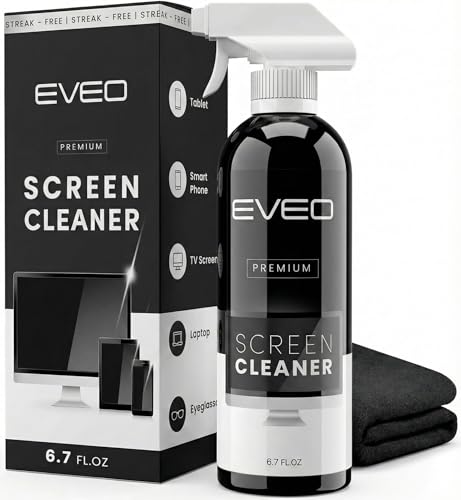
- Screen Cleaner is Your Screen’s New Bestfriend! - EVEO is proud to present a screen cleaner...
- Gentle on your Screens - Our screen cleaner spray and wipes is compatible to be used even for the...
- Premium Super Soft Plush Microfiber Cloth - Included in this efficient screen cleaning kit. This...
How often should I clean my phone screen?
I clean my phone screen about once a day with a dry microfiber cloth to remove fingerprints and dust. A deeper clean with a spray is only needed every few days or when you notice smudges building up.
Over-cleaning with liquid can actually make the residue problem worse. Let your dry cloth handle daily maintenance, and save the spray for when your screen really needs it.
Which screen cleaner won’t let me down when I need a quick, perfect clean?
When you need a perfect clean in seconds without any mess or residue, you want a no-spray tool that works instantly. Liquid cleaners can be messy and require drying time, which is frustrating when you are in a hurry.
For those moments, I always reach for what I grabbed for my kids because it is fast, clean, and leaves zero residue behind. It is the perfect solution for quick touch-ups throughout the day.
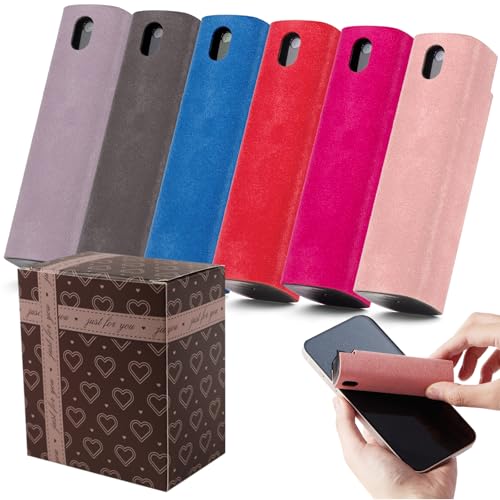
- VERSATILE CLEANING KIT: Our 2 in 1 screen cleaner kit is specially designed for touch screen...
- 2-IN-1 CAR SCREEN CLEANER: Our car screen cleaner consists of ABS protective case + microfiber cloth...
- CONVENIENT SIZE: The compact size of the laptop cleaner fits in any purse or pocket. No more worries...
Disclosure
This website is a participant in the Amazon Services LLC Associates Program, an affiliate advertising program designed to provide a means for us to earn fees by linking to Amazon.com and affiliated sites.