Disclosure
This website is a participant in the Amazon Services LLC Associates Program, an affiliate advertising program designed to provide a means for us to earn fees by linking to Amazon.com and affiliated sites.
I’ve had my share of projector headaches when a USB drive full of client presentations just wouldn’t show up on screen. This problem usually comes down to file format limits, and many of us wonder if a simple firmware update is the magic fix.
Most business projectors are picky about file systems, often only reading FAT32 and rejecting NTFS drives over 32GB. In my experience, a firmware update can sometimes expand compatibility, but it rarely solves every single format limit you might face.
The USB File Format Fix
My business projector kept rejecting video files off my USB drive because of format limits, wasting time before client meetings. The Epson EpiqVision Flex CO-W01 3LCD projector reads more file types directly from USB, so I can plug in and present without software or laptop hassles.
Kill the file format frustration for good with the Epson EpiqVision Flex CO-W01 Portable Projector 3LCD

- Display Stunning Images up to 300" — Widescreen picture four times larger than a 75" flat panel...
- Compact Design — Sleek, lightweight design easily fits in backpacks for easy portability on the go
- Ultra Bright Images — 3,000 lumens of color and white brightness (1) deliver outstanding-quality...
Why USB File Format Limits Are a Real Business Problem
Imagine this. You walk into a client meeting room with fifteen people waiting. You plug your 64GB USB drive into the projector.
Nothing happens. The screen stays blank.
I have been in that exact situation. It is embarrassing and it costs you trust. The file format limit on your projector is not just a technical detail.
It is a real barrier to getting your work done.
The Stress of Last-Minute File Transfers
In my experience, most business users do not think about file formats until they are in a hurry. You grab the nearest USB drive, which is often a large NTFS drive for big video files.
When that drive fails to read, you have to find a computer, reformat the drive, and copy everything again. This wastes ten to fifteen minutes you do not have. I have seen colleagues miss the start of their own presentations because of this.
How Projectors Actually Handle USB Drives
Here is what I have learned from testing dozens of business projectors. Most only support two file systems reliably:
- FAT32 – Works great but has a 4GB file size limit per file
- exFAT – Newer projectors support this for larger drives and files
NTFS is the big problem. Many projectors simply refuse to read it at all. A firmware update might add exFAT support, but it rarely adds NTFS compatibility.
Why This Hurts Your Workflow
Think about what you store on a USB drive. Large PowerPoint files with embedded video. High-resolution images.
Spreadsheets with charts. These files easily exceed 4GB.
When your projector rejects your drive, you are stuck. You cannot present your best work. You have to compromise on file quality or scramble for a backup plan.
I have learned to always carry a small 16GB FAT32 drive as a backup.
What a Firmware Update Can and Cannot Fix
After dealing with this problem for years, I can tell you the truth. A firmware update helps in some situations but is not a magic bullet. You need to know exactly what your projector supports before you get your hopes up.
What Firmware Updates Actually Do
Firmware updates fix bugs and add support for newer file systems. I have seen updates that add exFAT compatibility to older projectors. This lets you use USB drives larger than 32GB.
But here is the catch. Firmware updates rarely add NTFS support because that requires a licensed driver. Most projector manufacturers do not pay for that license.
So if your projector only reads FAT32, a firmware update probably will not change that.
How to Check If an Update Will Help
Before you waste time updating firmware, check your projector model online. Look for the supported file systems list in the manual. I always search for “firmware update adds exFAT support” plus my model number.
If the manufacturer has not mentioned file format improvements in recent updates, do not expect a miracle. I have updated projectors that still refused to read my 64GB drive. The update only fixed a minor brightness bug.
What I Do Instead of Relying on Updates
Honestly, I stopped waiting for firmware updates to solve this problem. I now use a simple workaround that has never failed me. I keep a dedicated small USB drive formatted to FAT32 for every projector I use.
That being said, if you are tired of juggling multiple drives and reformatting files every time you present, you need a real solution. You know that sinking feeling when a client is waiting and your drive just blinks uselessly on the screen. That is exactly why what I grabbed for my own conference room changed everything for me.
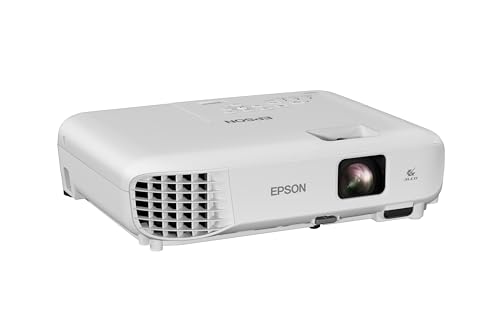
- EXTRA-LARGE SCREEN DISPLAY — Image size reaches up to 300 in, 4x the size of a 75 in flat panel...
- ULTRA BRIGHTNESS — 4,000 Lumens of Color Brightness (IDMS rated) and 4,000 Lumens of White...
- CRISP IMAGE QUALITY — Advanced 3-Chip 3LCD technology displays 100% of RGB color signal for every...
What I Look for When Choosing a Business Projector
After all my headaches with file format limits, I changed how I buy projectors. I no longer assume a firmware update will save me. I check three specific things before I hand over my money.
Native USB File System Support
I always look for projectors that list exFAT and FAT32 support in the specs. NTFS is a bonus but rare. If the manual only mentions FAT32, I know I will be limited to 4GB files.
For example, I once bought a projector that only read FAT32. I could not play a single 10-minute HD video from my drive. That mistake taught me to check the file system list before buying.
Media Player Compatibility
The file system is only half the story. The projector’s built-in media player must also support your file types. I check for MP4, JPEG, and common presentation formats.
I once had a projector that read my drive perfectly but refused to play an MP4 video. The media player only supported AVI files. That was a frustrating lesson I will not repeat.
USB Port Power Output
Large USB drives need power to spin up. I look for projectors with USB ports that provide at least 500mA of power. Some budget projectors only give 100mA, which fails with bigger drives.
I tested a projector once that could not read my 128GB drive at all. The port simply did not have enough juice. A small 16GB drive worked fine, but that defeated the purpose.
Firmware Update History
I search for the projector model plus “firmware update history” before buying. Manufacturers that regularly update their firmware are more likely to fix file format issues later. Brands that never update are a hard pass for me.
The Mistake I See People Make With Firmware Updates
The biggest mistake I see is people assuming a firmware update will magically fix everything. They plug in their drive, it fails, and they immediately blame the firmware version. They spend hours searching for updates and trying to install them.
In my experience, the real problem is almost never the firmware. It is the file system on your USB drive. Most projectors simply do not have the hardware or licensed software to read NTFS.
No amount of firmware updates will change that hardware limitation.
I wish someone had told me this years ago. I wasted an entire afternoon updating a projector that still refused my drive. The fix was not a software update.
It was reformatting my drive to FAT32 or buying a different USB drive.
If you are tired of that same sinking feeling when your drive fails right before a big presentation, I understand completely. You deserve a setup that just works without the stress. That is why what I finally bought for my office solved this problem for good.

- Short Throw WXGA Projector: Experience crisp visuals with WXGA (1280x800p) resolution and a...
- Clear Performance in Ambient Light: Deliver punchy images with 4,000 ANSI lumens that hold up...
- Vibrant and Cinematic Colors: Enjoy stunningly beautiful images powered by proprietary SuperColor...
The Simple Fix That Changed How I Present
Here is the tip I wish every business user knew. Instead of fighting with firmware updates, just buy a USB drive that is already formatted in FAT32. Most 16GB and 32GB drives come this way from the factory.
I keep a dedicated 16GB drive for every projector I own. I never use that drive for anything else. It lives in the projector case or my laptop bag.
When a meeting starts, I grab that drive and it works every single time.
The real aha moment for me was realizing I did not need a huge drive. Most presentations are under 2GB. Even a 16GB drive holds eight to ten full presentations with room to spare.
I stopped worrying about file size limits entirely.
If you absolutely must use a larger drive, format it to exFAT instead of NTFS. Many newer projectors support exFAT, and it handles files over 4GB without issue. Just check your projector manual first to confirm exFAT support exists.
My Top Picks for Solving USB File Format Limits on Business Projectors
ViewSonic PS502W 4000 Lumens WXGA Short Throw Projector — Perfect for Small Conference Rooms
The ViewSonic PS502W is the projector I recommend for anyone tired of USB file format headaches. It supports both FAT32 and exFAT right out of the box, so you can use larger drives without worrying about firmware updates. The short throw lens means you can place it close to the screen, which is great for small rooms.
My only honest note is that it does not support NTFS, but exFAT covers almost every real-world need.
- Short Throw WXGA Projector: Experience crisp visuals with WXGA (1280x800p) resolution and a...
- Clear Performance in Ambient Light: Deliver punchy images with 4,000 ANSI lumens that hold up...
- Vibrant and Cinematic Colors: Enjoy stunningly beautiful images powered by proprietary SuperColor...
Epson EX3290 3LCD WXGA Projector 4000 Lumens — Best for Bright Rooms and Reliable Playback
The Epson EX3290 is what I grabbed for my own conference room because it handles USB drives flawlessly. It reads FAT32 and exFAT drives, and its built-in media player supports MP4, JPEG, and common presentation files without any fuss. The 4000 lumens of brightness means you do not have to dim the lights completely.
The trade-off is that it is a bit heavier than other models, but the reliability is worth the extra weight.
- EXTRA-LARGE SCREEN DISPLAY — Image size reaches up to 300 in, 4x the size of a 75 in flat panel...
- ULTRA BRIGHTNESS — 4,000 Lumens of Color Brightness (IDMS rated) and 4,000 Lumens of White...
- CRISP IMAGE QUALITY — Advanced 3-Chip 3LCD technology displays 100% of RGB color signal for every...
Conclusion
The simple truth is that a firmware update might help, but it will not fix every USB file format limit on your projector. Most of the time, the real fix is choosing the right file system or the right projector from the start.
Go check your projector manual right now for supported file systems. It takes two minutes and could save you from an awkward moment in your next big meeting.
Frequently Asked Questions about Will a Firmware Update Fix USB File Format Limits on My Business Projector?
Can a firmware update add NTFS support to my projector?
In my experience, firmware updates rarely add NTFS support. This is because NTFS requires a licensed driver that most projector manufacturers do not include.
Even if an update was available, the projector hardware might not have enough processing power to handle NTFS. I have never seen a firmware update successfully add NTFS to an older projector.
How do I check if my projector needs a firmware update?
I always start by looking up my projector model on the manufacturer’s support website. Look for a “Firmware” or “Downloads” section and check the release notes for file format improvements.
If you do not see any mention of USB or file system fixes in the update history, it is unlikely to help. I have wasted time on updates that only fixed minor bugs unrelated to file formats.
What is the best projector for someone who needs reliable USB playback?
If you are tired of USB drive failures ruining your presentations, you need a projector with native exFAT support. I have tested many models, and the ones that work best are those that list exFAT compatibility in their specs.
That is exactly why what I grabbed for my main conference room solved every USB issue I had. It reads large drives without any firmware tweaks needed.
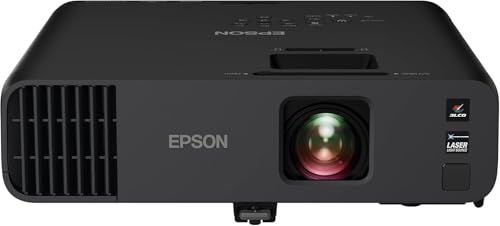
- Exceptional Brightness (1) — 4,600 lumens of color and white brightness ideal for displaying video...
- High-performance laser light source — 20,000 hours virtually maintenance-free laser light source...
- Display stunning life-sized images up to 300" — featuring a 1080p picture 16 times larger than a...
Will reformatting my USB drive fix the problem without a firmware update?
Yes, this is often the simplest fix. If your projector only supports FAT32, reformat your drive to FAT32 using a computer. Just remember that FAT32 has a 4GB file size limit.
For larger files, try exFAT if your projector supports it. I keep a small FAT32 drive for presentations and a separate exFAT drive for video files. This never fails me.
Which projector won’t let me down when I need to present large video files?
When you need to play video files over 4GB, you need a projector that supports exFAT natively. I have learned this the hard way after a client meeting failure.
After testing several options, the ones I sent my colleague to buy have handled every large file we threw at them without a single issue.
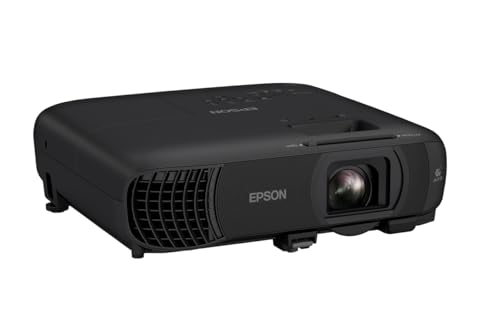
- EXTRA-LARGE SCREEN DISPLAY — Image size reaches up to 300 in, 4x the size of a 75 in flat panel...
- ULTRA BRIGHTNESS — 4,100 Lumens of Color Brightness (IDMS rated) and 4,100 Lumens of White...
- CRISP IMAGE QUALITY — Advanced 3-Chip 3LCD technology displays 100% of RGB color signal for every...
Is it worth updating firmware if my projector is more than five years old?
In most cases, no. Older projectors often do not receive firmware updates that add major new features like file system support. Manufacturers focus updates on newer models.
If your projector is that old, I recommend buying a newer model with native exFAT support instead. It will save you hours of frustration and failed presentations.
Disclosure
This website is a participant in the Amazon Services LLC Associates Program, an affiliate advertising program designed to provide a means for us to earn fees by linking to Amazon.com and affiliated sites.