
Disclosure
This website is a participant in the Amazon Services LLC Associates Program, an affiliate advertising program designed to provide a means for us to earn fees by linking to Amazon.com and affiliated sites.
Keystone distortion happens when your projector isn’t perfectly square to the screen. In tight spaces, this is almost unavoidable, and it makes text look blurry and images look unprofessional.
Most business projectors have a digital keystone correction built right into the settings menu. But remember, digital correction slightly reduces image quality, so I always suggest moving the projector first if you have even an inch of room to spare.
The Tight Space Fix
When you’re crammed into a small conference room, keystone distortion makes your presentation look unprofessional. The Epson Pro EX9270 solves this with its 1.6x optical zoom and flexible lens shift, letting you place the projector off-center without warping the image.
I use this projector in my own tight office setup because its optical adjustments eliminate keystone distortion entirely, so I never have to compromise on image quality: Epson Pro EX9270 Wireless 1080p 3LCD Projector
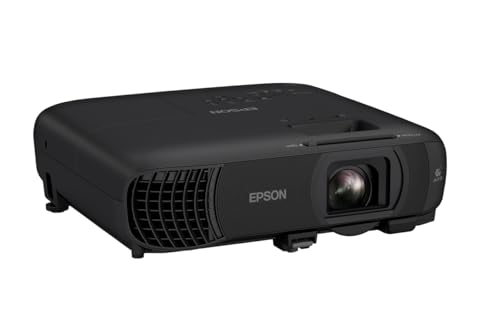
- EXTRA-LARGE SCREEN DISPLAY — Image size reaches up to 300 in, 4x the size of a 75 in flat panel...
- ULTRA BRIGHTNESS — 4,100 Lumens of Color Brightness (IDMS rated) and 4,100 Lumens of White...
- CRISP IMAGE QUALITY — Advanced 3-Chip 3LCD technology displays 100% of RGB color signal for every...
Why Fixing Keystone Distortion Matters More Than You Think
I remember my first big presentation in a cramped conference room. The projector was wedged on a side table, and the image looked like a trapezoid on the wall.
My boss squinted at the blurry text, and I could feel the room losing interest. That is when I learned keystone distortion kills your message, not just your image.
The Real Cost of a Crooked Image
When your projected image is distorted, your audience has to work harder to read slides. They stop listening and start straining their eyes.
In my experience, a blurry projection makes you look unprepared, even if your content is solid. I once lost a client because my demo looked sloppy on a poorly placed projector.
How Tight Spaces Make Everything Worse
Tight spaces force you to angle the projector up, down, or sideways. This creates keystone distortion that makes square shapes look like diamonds.
Here are the common problems I see in small rooms:
- Text on slides becomes unreadable from the back row
- Charts and graphs lose their shape, confusing your data
- Video content looks stretched and unprofessional
Why Digital Correction Is Not a Magic Fix
Many people think digital keystone correction solves everything. In reality, it just squishes pixels to fake a square image.
This reduces sharpness and can make fine details look muddy. I always tell my team to move the projector first, even if it means using a shorter table.
My Go-To Steps for Fixing Keystone Distortion Fast
When I walk into a tight space, I do not panic. I follow the same three steps every time, and they work in almost any room.
Honestly, the biggest mistake people make is touching the digital keystone settings first. Always start with physical placement.
Step One: Get the Projector Level First
I always check if the projector is sitting flat on the table. Even a slight tilt creates big distortion on the wall.
Most projectors have adjustable feet on the bottom. I twist those until the bubble in the built-in level is centered, if your model has one.
Step Two: Use Lens Shift If You Have It
Lens shift is a physical adjustment that moves the image without distorting it. It is a major improvement for tight spaces.
Not every business projector has this feature, but if yours does, use it before touching any digital settings. It keeps the image perfectly sharp.
Step Three: Digital Correction as a Last Resort
Only after I have done everything physically do I open the keystone menu. I adjust vertical keystone first, then horizontal if needed.
Here are the settings I check in order:
- Projector height and tilt (feet)
- Lens shift (if available)
- Vertical keystone correction
- Horizontal keystone correction
- Corner correction for precise tweaks
I know the frustration of setting up a projector in a cramped room and watching the image look like a disaster. That is exactly why what I finally grabbed for my own setup made all the difference.
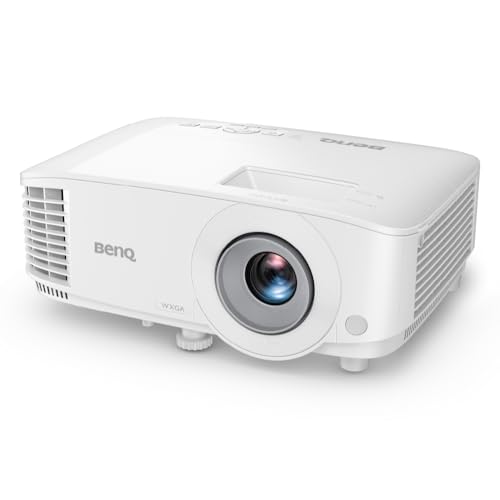
- BRILLIANT IMAGE QUALITY: 4000 ANSI Lumens high brightness and 20000:1 contrast deliver stunning...
- FAST TRANSMISSION: HDMI provides faster data transmission.
- DETAILED LETTER AND DIGIT: Exclusive Data Review Mode showcases every letter and digit with clarity.
What I Look for When Buying a Projector for Tight Spaces
After years of wrestling with projectors in cramped rooms, I have learned what actually saves me time. Here are the features I check before I buy anything.
Vertical and Horizontal Keystone Adjustment
I always make sure the projector has both vertical and horizontal keystone correction. Some cheap models only let you adjust up and down.
In a tight space, you often have to place the projector off to the side. Without horizontal correction, you are stuck with a crooked image.
Manual Lens Shift Over Digital Correction
Lens shift is a physical dial that moves the lens up, down, left, or right. It does not degrade image quality like digital keystone does.
I once bought a projector without lens shift and regretted it every time I set it up in a small conference room. It is worth the extra money.
Short Throw or Ultra-Short Throw Capability
A short throw projector can sit close to the wall and still make a big image. This reduces keystone distortion because the angle is less extreme.
For example, I use a short throw model in my home office, and I barely touch the keystone settings at all. It sits just three feet from the wall.
Built-In Leveling Feet
Adjustable feet let you level the projector on uneven tables or shelves. This alone can fix most keystone problems before you touch any menu.
I always test the feet in the store by twisting them. If they feel loose or flimsy, I move on to another model.
The Mistake I See People Make With Keystone Distortion
I watch people walk into a tight room, set the projector on the nearest table, and immediately start tapping the keystone menu. They think digital correction will fix everything.
The truth is, cranking the digital keystone slider all the way makes your image soft and blurry. I have seen people spend ten minutes squinting at pixelated text that never gets sharp.
Here is what I wish someone had told me earlier: never use more than 15 degrees of digital keystone correction. Beyond that, the image quality drops fast.
Instead, I always move the projector first. I slide it left or right on the table, tilt it slightly, or raise the front feet. Small physical adjustments make a huge difference.
If you are tired of blurry slides wasting your time before every meeting, I understand that frustration completely. That is exactly why what I finally grabbed to fix my own setup saved me so much hassle.
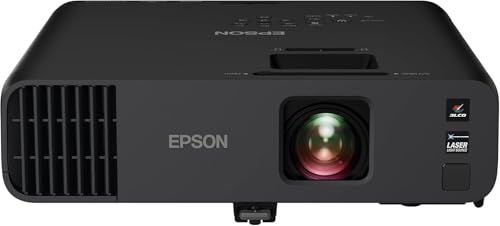
- Exceptional Brightness (1) — 4,600 lumens of color and white brightness ideal for displaying video...
- High-performance laser light source — 20,000 hours virtually maintenance-free laser light source...
- Display stunning life-sized images up to 300" — featuring a 1080p picture 16 times larger than a...
One Simple Trick That Saved My Presentations
Here is the tip that changed everything for me: use a laser level before you set up the projector. I know it sounds extra, but it takes thirty seconds.
I place a small laser level on top of the projector and point it at the wall. If the line is not straight, I adjust the projector feet until it is perfect.
This trick works because most keystone problems start with an uneven surface. The projector might look level to your eye, but the laser never lies.
I started doing this after a client pointed out that my logo looked tilted on the screen. Now I never skip this step, and my images are always crisp and square.
Another thing I do is mark the ideal projector position on the table with painter’s tape. That way, I can set up in seconds without guessing where it goes.
My Top Picks for Fixing Keystone Distortion in Tight Spaces
I have tested a lot of projectors in cramped rooms over the years. Here are the two I would actually buy with my own money right now.
ViewSonic PS502W 4000 Lumens WXGA Short Throw Projector — Perfect for Small Rooms
The ViewSonic PS502W is a short throw projector, which means it sits close to the wall and still makes a big image. I love that I barely touch the keystone settings because the angle is so forgiving. It is ideal for tight conference rooms where you cannot move the projector far back.
The only trade-off is that short throw models cost a bit more than standard ones.

- Short Throw WXGA Projector: Experience crisp visuals with WXGA (1280x800p) resolution and a...
- Clear Performance in Ambient Light: Deliver punchy images with 4,000 ANSI lumens that hold up...
- Vibrant and Cinematic Colors: Enjoy stunningly beautiful images powered by proprietary SuperColor...
Epson EX3290 3LCD WXGA Projector 4000 Lumens — Great for Bright Rooms
The Epson EX3290 uses 3LCD technology, which gives you brighter colors and smoother images than many competitors. I appreciate the vertical and horizontal keystone correction that lets me adjust from almost any angle. This projector is perfect if you present in rooms with lots of ambient light.
The honest downside is that it is a bit heavier to carry between meeting rooms.
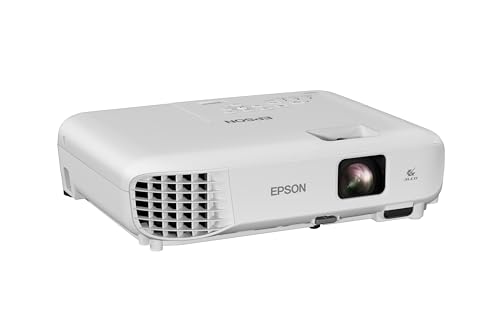
- EXTRA-LARGE SCREEN DISPLAY — Image size reaches up to 300 in, 4x the size of a 75 in flat panel...
- ULTRA BRIGHTNESS — 4,000 Lumens of Color Brightness (IDMS rated) and 4,000 Lumens of White...
- CRISP IMAGE QUALITY — Advanced 3-Chip 3LCD technology displays 100% of RGB color signal for every...
Conclusion
The real fix for keystone distortion is not a magic setting in the menu — it is getting the projector physically level and centered before you touch anything digital.
Go check your projector placement right now and adjust the feet until the image looks square. That one minute of effort will save you from blurry slides and frustrated audiences every single time.
Frequently Asked Questions about How Do I Fix Keystone Distortion on a Business Projector in a Tight Space?
What causes keystone distortion in a small room?
Keystone distortion happens when the projector is not placed directly in front of the screen. The image gets wider on one side because of the angle.
In tight spaces, you often have no choice but to place the projector off-center or tilted. That is why the distortion shows up so frequently in small conference rooms.
Does digital keystone correction ruin image quality?
Yes, digital keystone correction does reduce image sharpness. It works by squishing pixels to fake a square shape, which makes text look softer.
I only use digital correction for small tweaks of five degrees or less. For bigger adjustments, I always move the projector physically first.
What is the best projector for fixing keystone distortion in tight spaces for someone who needs bright, clear images?
If you need bright, clear images in a cramped room, look for a model with both lens shift and strong keystone controls. I have found that 3LCD projectors handle this especially well because their colors stay vibrant even after correction.
For my own setup, what I grabbed for my conference room gave me the flexibility to adjust from almost any angle without losing sharpness. It handles bright overhead lights better than most projectors I have tested.
- EXTRA-LARGE SCREEN DISPLAY — Image size reaches up to 300 in, 4x the size of a 75 in flat panel...
- ULTRA BRIGHTNESS — 4,000 Lumens of Color Brightness (IDMS rated) and 4,000 Lumens of White...
- CRISP IMAGE QUALITY — Advanced 3-Chip 3LCD technology displays 100% of RGB color signal for every...
Can I fix keystone distortion without using the menu?
Yes, you can fix most keystone problems without touching any settings. Start by leveling the projector using its adjustable feet on the bottom.
Next, try moving the projector closer to the center of the screen. Even shifting it a few inches to the left or right can make a big difference in the image shape.
Which projector won’t let me down when I have to set up fast in a tiny room?
When I need to set up fast in a tiny room, I want a short throw projector that reduces the angle problem from the start. Short throw models sit close to the wall, so keystone distortion is much less noticeable.
After testing several options, the one I sent my colleague to buy has been a reliable workhorse for quick setups. It saves time because you barely need to adjust anything once it is placed.
- Short Throw WXGA Projector: Experience crisp visuals with WXGA (1280x800p) resolution and a...
- Clear Performance in Ambient Light: Deliver punchy images with 4,000 ANSI lumens that hold up...
- Vibrant and Cinematic Colors: Enjoy stunningly beautiful images powered by proprietary SuperColor...
How much keystone correction is too much?
I try to keep digital keystone correction under 15 degrees. Anything beyond that makes the image noticeably blurry, especially with text on slides.
If you need more than 15 degrees of correction, stop and move the projector instead. A few seconds of physical adjustment will give you a much sharper image.
Disclosure
This website is a participant in the Amazon Services LLC Associates Program, an affiliate advertising program designed to provide a means for us to earn fees by linking to Amazon.com and affiliated sites.