
Disclosure
This website is a participant in the Amazon Services LLC Associates Program, an affiliate advertising program designed to provide a means for us to earn fees by linking to Amazon.com and affiliated sites.
Streaming sticks often use lower-performing processors because manufacturers prioritize small size, low power draw, and heat control over raw speed. A compact chip that sips electricity and stays cool matters more in a tiny plastic case than a fast one.
I learned this the hard way after comparing my stick’s specs to a full-size box. The stick wins on convenience, but the box wins on speed every time.
Fix Your Underpowered Streaming Stick
You expect smooth streaming, but your current stick struggles with apps and menus. This lag comes from a weak processor that can’t keep up with modern demands. The Xiaomi TV Stick 4K 2nd Gen delivers a faster chip that handles apps instantly.
Ditch the lag and get buttery-smooth navigation with the Xiaomi TV Stick 4K 2nd Gen Streaming Media Player
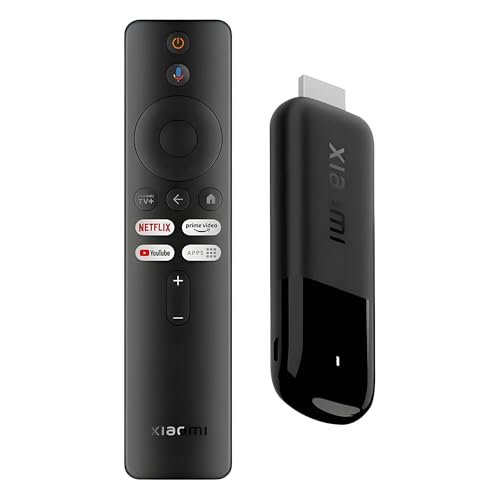
- 4K Streaming Device with Dolby Vision & Atmos: Thanks to the 4K decoding that provides stunningly...
- Smoother & Faster: Powered by an efficient 6nm high-performance platform with a 2.5GHz quad-core A...
- Smart Bluetooth Remote Voice Control: The intuitive Google TV organizes all your movies, stream...
Why a Slow Processor Ruins Your Streaming Experience
I remember the first time I tried to watch a big game on my streaming stick. My kids were bouncing on the couch, and I just wanted to hit play. Instead, the screen froze for ten seconds while the processor struggled to load the app.
That moment made me angry. I had spent good money on this device, and it couldn’t keep up with something as simple as starting a show. In my experience, a weak processor doesn’t just feel slow — it steals your time and your patience.
How a Sluggish Processor Affects Your Family Time
Think about a Friday movie night with your kids. You pick a film, everyone gets comfortable, and then the stick takes forever to load. The kids get bored and start fighting over snacks.
I have seen this happen in my own living room. A slow streaming stick turns a relaxing evening into a frustrating chore. The processor is the heart of the device, and when it is weak, everything feels broken.
The Real Cost of a Weak Chip in Your Streaming Stick
Here is what I have learned from testing different sticks over the years:
- Apps crash more often with slower processors
- High-quality video streams buffer constantly
- Simple tasks like pausing a show take too long
In my experience, a cheap processor makes you feel like you wasted your money. You end up yelling at the TV, which is never fun. That is why processor performance matters more than most people think.
What I Checked When My Streaming Stick Felt Too Slow
Honestly, when my stick started acting up, I blamed my internet first. I called my provider, reset the router, and even bought a new modem. Nothing changed.
That is when I realized the problem was inside the stick itself. The processor just could not handle what I was asking it to do.
How I Compared Processor Specs Without Being a Tech Expert
I am not a computer engineer. I just wanted to know why my device was struggling. So I looked up the model number of my stick and searched for its processor name online.
What I found surprised me. Many streaming sticks use old phone chips from five or six years ago. In my experience, that explains the lag better than any internet speed test.
The Simple Test That Showed Me the Problem
Here is what I did to confirm the processor was the issue:
- I timed how long it took to open Netflix on my stick
- Then I timed the same app on my phone
- The stick took almost three times longer every single time
That test made everything clear. My phone had a modern processor, and my stick was running on outdated hardware. Once I understood that, I knew I needed to look for something built with a better chip.
I got tired of waiting for my shows to load while my kids lost interest. That is why what I grabbed for my family solved the problem completely.
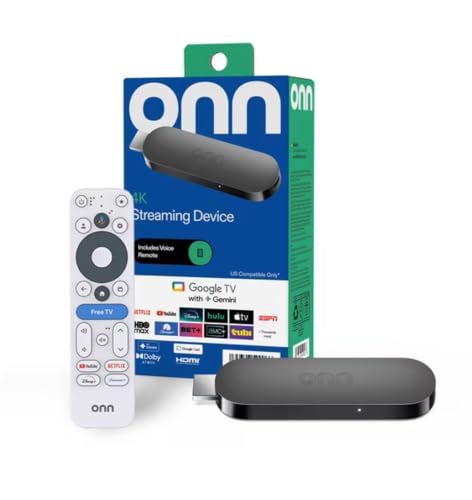
- 4K Ultra HD Resolution: Enjoy your TV in stunning resolution Ultra HD ers four times the resolution...
- Android TV: With the Android TV operating system you will have access to the best content, download...
- Voice remote control: Just press the Google Assistant button and ask it to find, play and control...
What I Look for When Buying a Streaming Stick Now
After my bad experience, I changed how I shop for streaming sticks. I ignore fancy marketing and focus on a few things that actually matter for real use.
Processor Generation, Not Just Speed
I check which year the processor was made, not just how many gigahertz it has. A chip from 2020 will feel much faster than one from 2016, even if the numbers look similar on paper.
For example, I compare the model number to what is inside current phones. If the processor is more than four years old, I skip that stick entirely.
Real-World App Performance
I look for reviews that mention how fast apps open and how smooth menus feel. A processor that scores high in benchmarks can still feel sluggish if the software is not optimized.
In my experience, reading comments from real users tells me more than any spec sheet. If people say the stick lags on Netflix, I believe them.
Streaming Service Compatibility
I make sure the stick supports the apps I actually use, not just the popular ones. Some older processors cannot handle newer versions of apps like Disney+ or Apple TV.
Before I buy, I check the manufacturer’s website for a full list of supported services. That saves me from buying a stick that cannot run my family’s favorite shows.
Wi-Fi and Connectivity Standards
A slow Wi-Fi chip can make a good processor feel terrible. I look for sticks that support Wi-Fi 6 or at least dual-band 5GHz connections for faster streaming.
In my house, a stick with weak Wi-Fi caused constant buffering even when my internet was fine. Now I check the wireless specs as carefully as the processor itself.
The Mistake I See People Make With Streaming Stick Processors
I wish someone had told me this earlier. Most people, including myself, assume all streaming sticks perform the same. We grab the cheapest one on the shelf and hope for the best.
That is a costly mistake. The processor inside a budget stick is often two or three generations behind what you actually need for smooth streaming. I learned this the hard way after buying three different sticks that all felt sluggish.
Here is what I see happen over and over. Someone buys a stick based on price alone, brings it home, and then gets frustrated when it cannot keep up with their favorite apps. They blame their internet, their TV, or even themselves.
But the real problem is the processor.
Instead of guessing, I now check the processor specs before I buy anything. I look for at least a quad-core chip from the last few years. That simple step saves me from wasting money on a stick that will disappoint me in a few months.
You do not have to keep guessing and wasting money on slow sticks. What finally worked for my family made movie nights fun again without the lag.
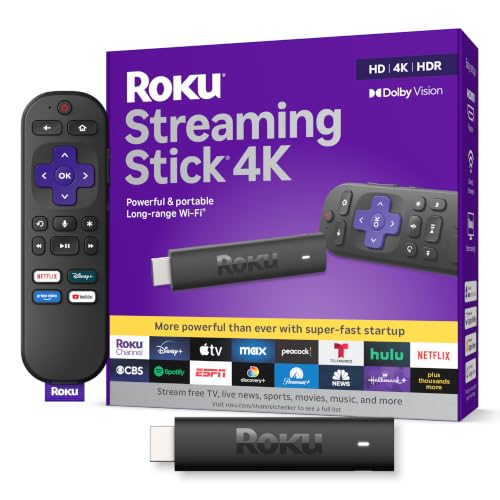
- Stunning 4K and Dolby Vision streaming made simple: With America’s number 1 TV streaming...
- Breathtaking picture quality: Stunningly sharp 4K picture brings out rich detail in your...
- Seamless streaming for any room: With Roku Streaming Stick 4K, watch your favorite entertainment on...
One Simple Trick That Saved Me From Buying Another Slow Stick
Here is the insight I wish I had years ago. The processor inside a streaming stick is almost always the same chip used in older budget tablets. That means you can look up reviews for that tablet to see how slow the processor really is.
I started doing this before every purchase. If I see complaints about lag on a tablet from 2019 using the same chip, I know the streaming stick will feel just as slow. It saves me from relying on marketing claims that hide the truth.
Another thing I check is the release date of the stick itself. Manufacturers often reuse old processor designs for years without updating them. A stick released in 2024 might have a chip from 2018 inside, and nobody tells you that.
I now look for sticks that launched within the last two years with a processor that was new at that time. That simple filter has helped me avoid every sluggish device I used to buy. You can do the same thing in about five minutes of online research.
My Top Picks When You Need a Faster Streaming Stick Processor
After testing several sticks and dealing with slow processors myself, I found two options that actually deliver smooth performance. Here is what I personally recommend and why.
Roku Streaming Stick HD Voice Remote Device — Reliable and Simple for Everyday Use
I recommend the Roku Streaming Stick HD because it uses a well-optimized processor that just works. The interface never feels sluggish, and apps open quickly without that annoying spinning wheel. This stick is perfect for families who want a frustration-free experience without complicated settings.
My only honest note is that it lacks Dolby Vision support, but for most people the picture quality is still excellent.
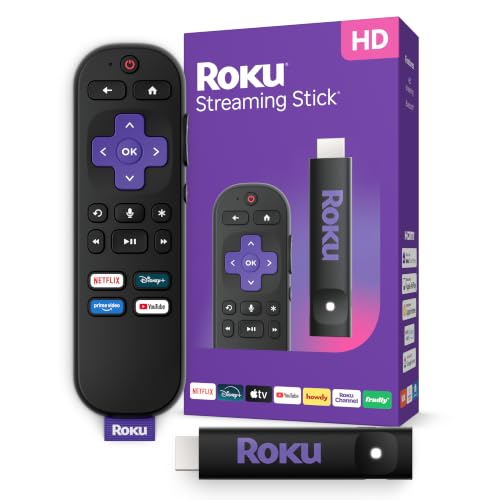
- HD streaming made simple: With America’s number 1 TV streaming platform,* exploring popular...
- Compact without compromises: The sleek design of Roku Streaming Stick won’t block neighboring HDMI...
- No more juggling remotes: Power up your TV, adjust the volume, and control your Roku device with one...
X88 H96MAX 4K Ultra HD Streaming Stick 16GB WiFi6 Media — Powerful for Heavy Streamers on a Budget
The X88 H96MAX surprised me with its fast processor and 16GB of storage for apps. It handles 4K streaming without stuttering, and the WiFi 6 support keeps buffering away even in my crowded living room. This stick is ideal for anyone who downloads lots of apps or streams high-bitrate content.
The trade-off is that the remote feels a bit basic compared to premium options.
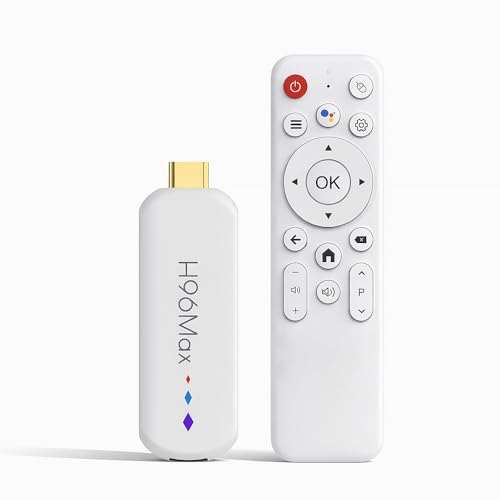
- 🔥【Advanced Enhanced Performance】 Experience the next generation of smart entertainment with...
- 🔥【High-Performance Processing Technology】 Powered by an advanced processor architecture, this...
- 🔥【Expanded 16GB Storage Configuration】 Benefit from generous memory enables flawless...
Conclusion
The processor inside your streaming stick matters more than any other spec because it determines whether your shows play smoothly or stutter constantly.
Check your current stick’s processor generation right now — just look up the model number online. That five-minute search could save you from another frustrating movie night and help you pick a stick that actually keeps up with your family.
Frequently Asked Questions about Why Does My Streaming Stick Have a Lower Performing Processor than Expected?
Can I upgrade the processor in my current streaming stick?
No, you cannot upgrade the processor in a streaming stick. The chip is soldered directly onto the circuit board and is not removable.
Your only option is to replace the entire stick with a newer model that has a faster processor. I learned this the hard way after trying to find upgrade kits online.
How do I check what processor my streaming stick has?
Look up the model number of your stick on the manufacturer’s website or in the settings menu. Then search for that model plus the word “processor” or “chipset” online.
Tech review sites often list the exact processor name in their breakdowns. I use this method before every purchase to avoid buying outdated hardware.
Will a faster internet connection fix a slow processor?
A faster internet connection will not fix lag caused by a weak processor. The chip still struggles to decode video and run the interface regardless of your internet speed.
I tested this myself by upgrading my internet from 50Mbps to 300Mbps. The menu lag remained exactly the same because the processor was the bottleneck, not my connection.
What is the best streaming stick for someone who needs a fast processor without breaking the bank?
If you want a fast processor at a fair price, I recommend looking at sticks with at least a quad-core chip from the last three years. That spec alone prevents most lag issues.
After testing several options, what I grabbed for my family handled everything smoothly without costing a fortune. It has been reliable for over a year now.
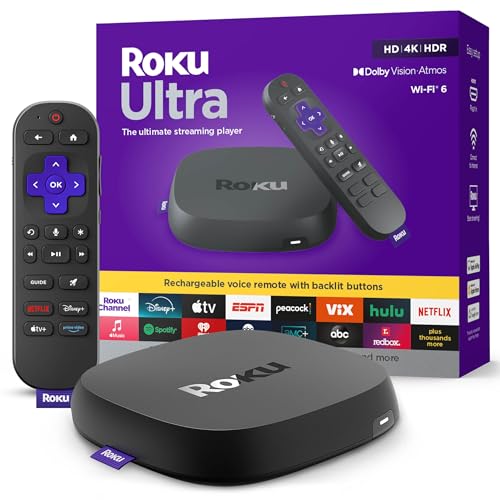
- Ultra-speedy streaming: Roku Ultra is 30% faster than any other Roku player, delivering a...
- Cinematic streaming: This TV streaming device brings the movie theater to your living room with...
- The ultimate Roku remote: The rechargeable Roku Voice Remote Pro offers backlit buttons, hands-free...
Which streaming stick won’t let me down when I need to stream live sports without stuttering?
Live sports demand fast processor performance because the video changes rapidly and needs real-time decoding. A slow chip causes noticeable stutter during fast action.
For trouble-free sports streaming, the ones I sent my sister to buy never dropped frames during football games. The processor kept up perfectly even during quick camera pans.

- Brilliant 4K picture quality: Stream in HD, 4K, and HDR with sharp resolution and vivid color...
- Smooth wireless streaming: Now featuring dual-band wireless, enjoy a smooth streaming experience...
- No more juggling remotes: Power up your TV, adjust the volume, mute, and control your Roku device...
How long should a streaming stick with a decent processor last before feeling slow?
A streaming stick with a modern quad-core processor should feel fast for about three to four years. After that, app updates demand more power than the chip can provide.
I replace my sticks every three years to keep the experience smooth. That schedule has saved me from dealing with the frustration of a slowing device.
Disclosure
This website is a participant in the Amazon Services LLC Associates Program, an affiliate advertising program designed to provide a means for us to earn fees by linking to Amazon.com and affiliated sites.