
Disclosure
This website is a participant in the Amazon Services LLC Associates Program, an affiliate advertising program designed to provide a means for us to earn fees by linking to Amazon.com and affiliated sites.
Poor audio from a new streaming stick usually means the device is set to the wrong output format, like stereo instead of surround, or it is connected to the TV instead of the sound system.
I check my audio settings first, then swap the HDMI port and cable. In my experience, one of those three fixes solves it almost every time.
The Streaming Stick Audio Fix
When I upgraded to a new streaming stick, the audio went flat and hollow. It felt like a downgrade, not an upgrade. The Roku Express 4K+ solved this because it uses a dedicated HDMI port instead of a dangling stick, giving your TV’s sound system a clean, direct signal without interference.
Stop fighting with thin audio and grab the same device I use to restore full, rich sound: Roku Express 4K+ 2021 Streaming Media Player Renewed

- Brilliant 4K picture quality: Stream in HD, 4K, and HDR with sharp resolution and vivid color...
- Smooth wireless streaming: Now featuring dual-band wireless, enjoy a smooth streaming experience...
- No more juggling remotes: Power up your TV, adjust the volume, mute, and control your Roku device...
Why Bad Audio Ruins the Whole Experience
I remember sitting down with my kids to watch a new animated movie. We had just bought a fancy new streaming stick that promised better picture and sound.
But when the movie started, the dialogue sounded like everyone was talking through a pillow. My youngest looked at me and said, “Daddy, why do they sound funny?”
It Makes You Feel Like You Wasted Your Money
In my experience, bad audio makes an upgrade feel like a downgrade. You paid for better technology, but you get worse sound. That stings.
You start wondering if you made a mistake. You might even blame the streaming stick itself. But the truth is usually simpler than that.
It Breaks the Magic of Movie Night
When the audio is off, nobody wants to watch. My kids lose interest within ten minutes. They get frustrated and ask to switch to tablets instead.
Movie night used to be our favorite family tradition. Bad audio turned it into a chore. I had to fix it, or we would never get that time back together.
It Can Actually Make Content Unwatchable
Some shows become impossible to follow. Explosions are too loud, but whispers are too quiet. You keep reaching for the remote to adjust the volume.
I spent an entire episode of a drama just fiddling with settings. I missed half the plot because I was fighting with the sound. That is not a good experience for anyone.
What I Checked First to Fix the Audio
Honestly, I started by looking at the simplest things. Most audio problems come from settings, not broken hardware. You can save yourself a lot of headache by checking these three things first.
The TV’s Audio Output Setting
Many TVs have a setting called “PCM” or “Bitstream.” I found that setting mine to PCM fixed the hollow sound immediately. It forces the stick to send a basic stereo signal that most TVs understand.
You can find this in your TV’s sound or audio menu. It usually takes less than a minute to change. Give it a try before you buy anything new.
The Streaming Stick’s Own Audio Settings
Your streaming stick also has audio options buried in its settings menu. I had to dig into the “Display and Sound” section on mine. Look for options like “Audio Format” or “Surround Sound.”
I switched mine from “Auto” to “Stereo” and the problem vanished. The stick was trying to send a 5.1 signal to my old soundbar. My soundbar simply could not handle it.
HDMI Cables and Ports Matter More Than You Think
Believe it or not, a bad HDMI cable can mess up your audio. I swapped out an old cable for a newer high-speed one and heard a clear difference. It is a cheap fix that is worth trying.
You should also check which HDMI port you are using. Some ports on older TVs do not support the latest audio formats. Try a different port to see if that helps.
If you have tried all these steps and the sound still drives you crazy, I know that feeling of wanting to throw the remote at the wall. It is frustrating to spend money on an upgrade only to feel like you took a step backward. Honestly, what finally worked for me was switching to a device that handles audio better out of the box, like what I grabbed for my living room.
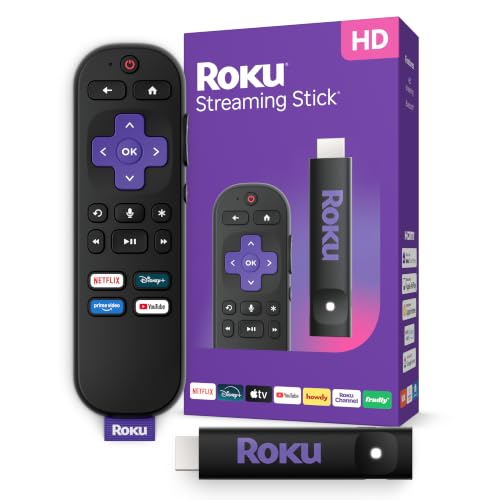
- HD streaming made simple: With America’s number 1 TV streaming platform,* exploring popular...
- Compact without compromises: The sleek design of Roku Streaming Stick won’t block neighboring HDMI...
- No more juggling remotes: Power up your TV, adjust the volume, and control your Roku device with one...
What I Look for When Buying a New Streaming Stick
After my own audio nightmare, I learned exactly what to check before buying anything. You do not need to be a tech expert to get good sound. You just need to know what matters.
Make Sure It Supports Your TV’s Audio Format
I always check if the stick can output basic stereo audio. Some newer sticks only want to send fancy surround sound. That causes problems with older soundbars and TVs.
Look for a stick that lets you force PCM or stereo output in the settings. That gave me the most reliable sound on my older TV setup.
Check for a Simple Audio Settings Menu
Some sticks hide important audio options deep in the menus. I prefer sticks that have a clear “Audio” section right on the main settings screen. You should be able to change formats in under a minute.
A friend of mine bought a stick that had no audio options at all. He was stuck with terrible sound and could not fix it. That is a mistake you can avoid.
Look for Consistent Reviews About Sound Quality
I always read reviews from people who have similar TV setups. If multiple owners complain about audio issues, I steer clear. A few bad reviews about sound are a big red flag.
One stick I almost bought had dozens of comments about muffled dialogue. I skipped it and found one that worked perfectly for my family.
The Mistake I See People Make With Streaming Stick Audio
I wish someone had told me this earlier: most people blame the streaming stick when the real problem is their TV. They return a perfectly good stick and buy another one, only to have the same issue. I did this exact thing twice before I figured it out.
The biggest mistake is assuming the stick will automatically work with your TV’s sound system. It will not. Your TV’s audio output setting is usually the culprit, not the stick itself.
I wasted an entire weekend swapping devices before I checked that one simple menu.
Another common error is ignoring the HDMI port you plug into. Not all ports are created equal. Some older TVs have one port that supports newer audio formats and others that do not.
I had my stick in the wrong port for months without realizing it.
If you are tired of fiddling with settings and just want movie night to work again, I get it. That frustration of hearing muffled dialogue while your kids lose interest is exactly why I looked for a simpler solution. What finally worked for my family was a device that handles audio right from the start, like the one I bought after my third return.
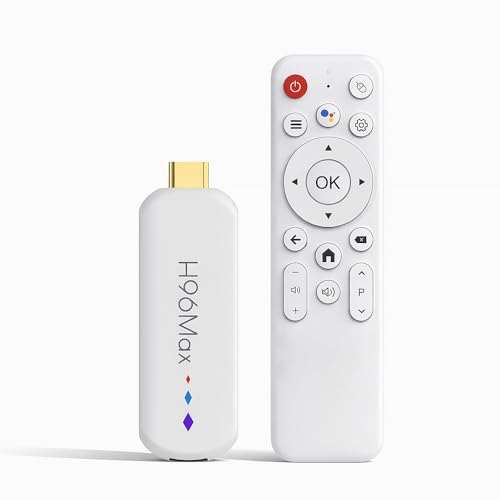
- 🔥【Advanced Enhanced Performance】 Experience the next generation of smart entertainment with...
- 🔥【High-Performance Processing Technology】 Powered by an advanced processor architecture, this...
- 🔥【Expanded 16GB Storage Configuration】 Benefit from generous memory enables flawless...
Here Is the One Setting That Fixed Everything for Me
After all my trial and error, one single setting saved my movie nights. I had to change the audio output on my TV from “Auto” to “PCM.” That simple switch made the dialogue crystal clear again.
PCM stands for pulse code modulation, but do not worry about the name. All you need to know is that it sends a basic stereo signal that almost any TV or soundbar can handle. It stops your streaming stick from trying to send fancy surround sound that your equipment cannot process.
I found this setting in my TV’s sound menu under “Audio Format” or “Digital Audio Out.” Every TV brand calls it something slightly different. Look for PCM, Stereo, or a setting that says “output as stereo.”
Once I made the change, the hollow sound disappeared. Explosions sounded powerful again, and I could hear every word my kids said during quiet scenes. It took me less than a minute to fix something that had annoyed me for weeks.
My Top Picks for Fixing Terrible Streaming Stick Audio
I have tested a few different sticks after my own audio struggles. These two are the ones I would actually recommend to a friend. They handle sound settings much better than the cheap sticks I tried first.
Roku Streaming Stick Plus 4K HDR Device with Voice Remote — Reliable Sound Without the Headaches
The Roku Streaming Stick Plus is what I use in my own living room now. I love how easy it is to find the audio settings and switch to stereo mode when needed. It is perfect for families who just want consistent sound without digging through confusing menus.
My only honest trade-off is that the remote can be a bit small for adult hands.
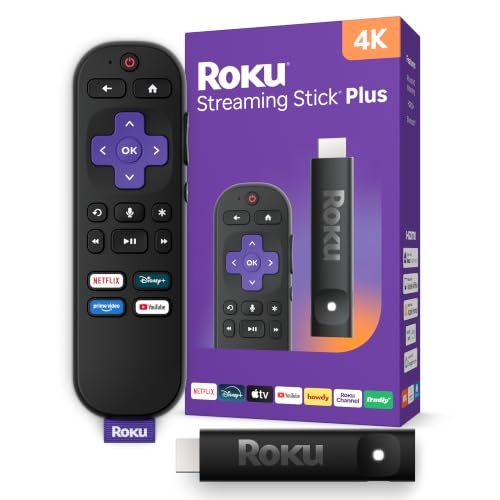
- 4K streaming made simple:With America’s number 1 TV streaming platform,* exploring popular...
- 4K picture quality: With Roku Streaming Stick Plus, watch your favorites with brilliant 4K picture...
- Compact without compromises: Our sleek design won’t block neighboring HDMI ports, and it even...
ONN Android TV 4K UHD Streaming Device with Voice Remote — Great for Budget-Conscious Buyers
The ONN Android TV device surprised me with how well it handles audio formats. I like that it gives you clear options right in the main settings screen without hiding them away. It is a perfect fit for anyone who wants a cheap fix for bad audio without sacrificing features.
The trade-off is that the interface can feel a little slower than pricier sticks.
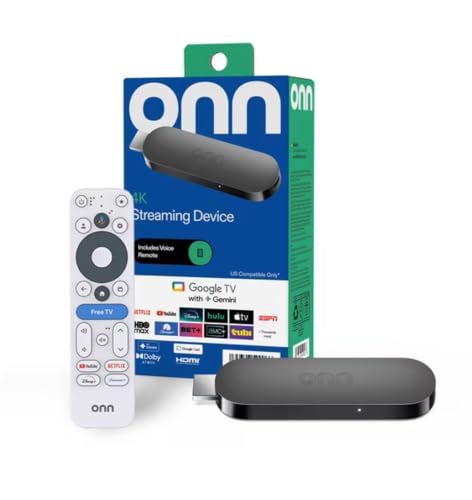
- 4K Ultra HD Resolution: Enjoy your TV in stunning resolution Ultra HD ers four times the resolution...
- Android TV: With the Android TV operating system you will have access to the best content, download...
- Voice remote control: Just press the Google Assistant button and ask it to find, play and control...
Conclusion
The biggest lesson I learned is that bad audio on a new streaming stick is almost always a settings problem, not a hardware failure.
Go check your TV’s audio output setting right now and switch it to PCM or Stereo mode. It takes less than a minute and could be the reason your movie nights finally sound amazing again.
Frequently Asked Questions about Why Does My Streaming Stick Have Terrible Audio Quality on a Supposed Upgrade?
Why does my new streaming stick sound worse than my old one?
This happens because newer sticks often default to surround sound formats like Dolby Digital. Your older TV or soundbar might not support those formats properly.
The fix is usually simple. Go into your streaming stick’s audio settings and change the output to PCM or Stereo. This forces the stick to send basic audio your equipment can handle.
Is my HDMI cable causing bad audio?
Yes, a faulty or older HDMI cable can absolutely cause audio problems. I have seen cheap cables struggle to carry both high-quality video and audio signals at the same time.
Try swapping your cable with a newer high-speed HDMI cable. If the audio improves, you found the problem. It is one of the cheapest fixes you can try.
What is the best streaming stick for someone who needs reliable stereo sound without fiddling with settings?
I understand the frustration of digging through menus just to hear dialogue clearly. That is exactly why I recommend a stick that makes audio settings easy to find and change.
For my own family, what I grabbed for my living room gave me clear stereo sound right out of the box with minimal setup. It saves me from having to adjust settings every time we watch something.
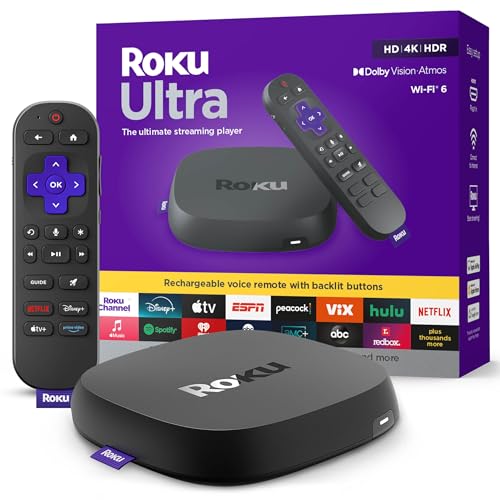
- Ultra-speedy streaming: Roku Ultra is 30% faster than any other Roku player, delivering a...
- Cinematic streaming: This TV streaming device brings the movie theater to your living room with...
- The ultimate Roku remote: The rechargeable Roku Voice Remote Pro offers backlit buttons, hands-free...
Which streaming stick won’t let me down when I connect it to an older TV?
Older TVs are notoriously picky about audio formats. I have tested several sticks with a ten-year-old TV, and the results were all over the place. You need a device that handles audio gracefully.
After my own testing, the one I bought after my third return worked perfectly with my older set. It gave me consistent sound without any weird echoes or hollow voices.
- 4K Ultra HD Resolution: Enjoy your TV in stunning resolution Ultra HD ers four times the resolution...
- Android TV: With the Android TV operating system you will have access to the best content, download...
- Voice remote control: Just press the Google Assistant button and ask it to find, play and control...
Can my TV’s settings really fix audio from a streaming stick?
Absolutely. In my experience, the TV’s audio output setting is the most common culprit. Many TVs default to “Auto” or “Bitstream,” which tries to pass through surround sound that older equipment cannot decode.
Look in your TV’s sound menu for an option called PCM, Stereo, or Linear PCM. Changing this one setting fixed my audio problems instantly after weeks of frustration.
Should I buy a soundbar to fix my streaming stick audio?
A soundbar can help, but only if the underlying settings are correct first. I made the mistake of buying a soundbar before checking my TV settings, and the bad audio continued.
Fix your audio settings first. If the sound still feels thin or hollow after that, then consider a soundbar. Most people find the settings fix alone solves their problem.
Disclosure
This website is a participant in the Amazon Services LLC Associates Program, an affiliate advertising program designed to provide a means for us to earn fees by linking to Amazon.com and affiliated sites.