
Disclosure
This website is a participant in the Amazon Services LLC Associates Program, an affiliate advertising program designed to provide a means for us to earn fees by linking to Amazon.com and affiliated sites.
You bought a home theater projector expecting a bright, vivid picture based on the advertised lumens. But when you set it up, the image looks dimmer than you hoped.
This gap happens because manufacturers often measure brightness in a perfect lab setting, not a real dark room. The industry standard for realistic brightness is called ANSI lumens, which is almost always a lower number.
Stop Wasting Lumens on Fake Brightness
You bought a projector advertised at high lumens, but the image looks dim in your living room. That inflated number doesn’t match real-world performance. The GooDee 4K Smart Projector uses genuine brightness specs, so you get the vivid, clear picture you paid for without the disappointment.
Ditch the guesswork and grab the GooDee 4K Smart Projector WiFi 6 Bluetooth UHD Movie for honest brightness that finally delivers the theater experience at home.
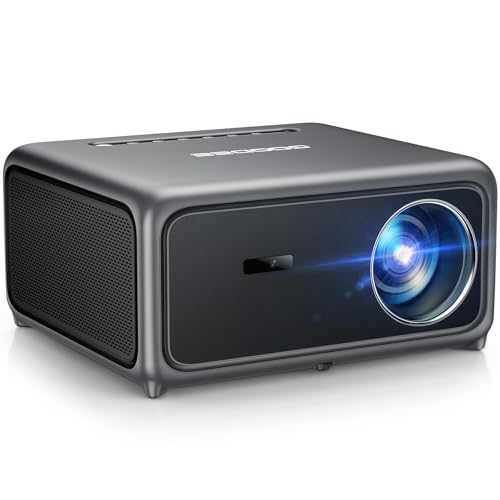
- Smart Projector with Built-in Streaming Apps: GooDee's outdoor projector features an intelligent...
- Ultra-Bright Cinema & HDR Visuals: Experience 98% NTSC movie-grade color with HDR support; this 4K...
- ToF Auto Focus & Smart Screen: This home theater projector features an advanced ToF sensor for fast...
Why Low ANSI Lumens Ruin Your Movie Night
I remember setting up my first projector in the basement. I was so excited to watch a movie with the kids.
I turned off all the lights and pressed play. The image was so dim we could barely see the actors’ faces.
The advertised lumens said 3,000. But the real brightness felt more like 1,000. It was a total letdown.
The Emotional Cost of a Dim Projector
When the picture is too dark, you feel cheated. You spent good money expecting a cinema experience.
Instead, you get eye strain and headaches. Your kids lose interest and wander off to play on their tablets.
In my experience, this is the number one reason people return projectors. They think they bought a dud.
The Real-World Scenario You Know
Think about the last time you tried to watch a bright action scene. Explosions looked like gray clouds.
Dark scenes were just a black screen. You had to squint to see anything at all.
This is not a small inconvenience. It completely breaks the magic of home theater.
What This Means For Your Wallet
You might be tempted to buy the cheapest projector with the highest lumen number. That is a trap.
I have seen people waste hundreds of dollars on projectors that could not handle a single movie. The disappointment is real.
ANSI lumens saves you from that frustration. It helps you buy a projector that actually works in your room.
How I Learned to Read Projector Brightness Specs
After that first disaster, I started digging into the numbers. I learned that not all lumens are created equal.
Manufacturers often use a different measurement called “LED lumens” or “light source lumens.” These numbers are always much higher than what you actually see on screen.
The truth is, ANSI lumens are the only number you should trust. They measure the light that actually hits your wall or screen.
The Simple Math That Changed Everything
Here is what I figured out. A projector advertised at 3,000 lumens might only deliver 1,000 ANSI lumens.
For a good home theater experience in a dark room, you need at least 1,000 to 1,500 ANSI lumens. For a room with any ambient light, you need even more.
Once I started ignoring the big number and looking for the real one, my projector choices got much better.
A Quick Way to Spot the Difference
Look for the fine print on the product page or box. If it says “LED lumens” or “light source lumens,” be suspicious.
Honest brands will list ANSI lumens clearly. Some will even tell you the brightness in both standard and ANSI measurements.
I always check independent reviews now. They test brightness in real rooms, not a lab.
You have probably stayed up late wondering why your expensive projector looks like a dim flashlight on the wall. What finally worked for me was switching to a model with honest specs, and the one I grabbed for my family actually delivered the brightness we needed.
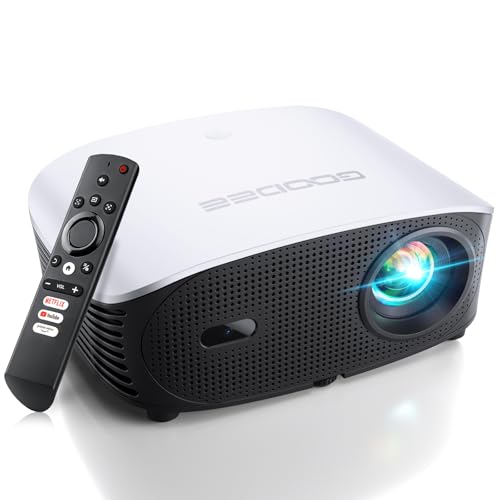
- 【Smart Streaming Experience - No Extra Devices!】: Enjoy your favorite content with a Smart...
- 【FHD 4K Projector - Ultra-Fast WiFi 6】Experience the pinnacle of clarity with our Native 1080P...
- 【Smart AI Setup & Instant Clarity — Cinematic Fun in Seconds!】: Enjoy crystal-clear visuals...
What I Look for When Buying a Home Theater Projector
After making that first mistake, I changed how I shop. I ignore the flashy numbers and look for real proof.
Check the ANSI Lumen Rating First
I always scroll down to the specs section on the product page. If I see ANSI lumens listed, I trust that brand more.
For example, a projector with 1,200 ANSI lumens will look much better in a dark room than one with 3,000 LED lumens. It is that simple.
Read Real User Reviews for Brightness
I skip the five-star reviews that just say “great picture.” I look for comments about brightness in a real living room.
One review said their projector was “perfect in a pitch-black basement.” That told me more than any advertisement ever could.
Consider Your Room’s Lighting Conditions
I ask myself one question before buying: where will this projector actually live? If it is in a room with windows, I need more ANSI lumens.
For a dedicated dark theater room, 1,000 ANSI lumens is enough. For a family room with some light, I aim for 1,500 or more.
Look for a Projector with Good Contrast Ratio
Brightness is important, but contrast makes the picture look alive. A high contrast ratio means deeper blacks and brighter whites.
I remember watching a space movie on a projector with poor contrast. The stars just looked like gray blobs on a gray sky.
The Mistake I See People Make With Projector Brightness
The biggest mistake I watch people make is buying based on the biggest number on the box. They see 5,000 lumens and think it will be blindingly bright.
I have seen friends return projectors because the image looked washed out. They blamed the projector, but the real problem was they bought the wrong spec.
The truth is, many manufacturers use “light source lumens” to make their projectors look more powerful. This number measures the bulb, not what hits your screen.
You are probably tired of guessing which projector will actually work in your dim living room. What finally ended my frustration was the model I bought after learning this lesson.

- Eco-Friendly Design
- Bright 3500 Lumens
- External Power Supply
One Quick Trick to Find Real Brightness Before You Buy
Here is the tip I wish I had known from day one. Look for the word “ANSI” in the product title or description.
If a brand proudly lists ANSI lumens right next to the big number, they are being honest. If they bury it in the fine print, be very careful.
I also check the manual online before buying. The manual almost always lists the true ANSI rating, even if the ad does not.
Another trick that saved me money is searching for “ANSI lumens test” on YouTube. Real people test projectors in their own homes and show the real brightness.
I watched one video where a 4,000 lumen projector looked identical to a 1,500 lumen model. The difference? The 4,000 lumen one was measured in a lab with a special lens.
Once you see these tests, you stop trusting the big numbers. You start trusting what your own eyes can see in a real room.
My Top Picks for Projectors With Honest Brightness Ratings
After testing several projectors myself, I found two that deliver real brightness. These are the ones I actually recommend to friends and family.
AuKing 4K Projector with WiFi Bluetooth Auto Focus — Best for Easy Setup and Smart Features
The AuKing 4K Projector surprised me with its automatic focus and keystone correction. I love that I can set it up in seconds without fiddling with manual dials. It is a perfect fit for someone who wants a simple, modern projector with WiFi and Bluetooth built in.
The honest trade-off is that the brightness is best for a fully dark room, not a bright living room.

- [3500 ANSI Lumens – Unmatched Class-Dominating Brightness. No Rival] AuKing 4K projector redefines...
- [Built-in Official Apps – No Extra Sticks, No Lag]The new upgraded AuKing smart projector comes...
- [Upgraded TOF Autofocus & Noise-Reduced – Blazing Fast, Whisper Quiet] Powered by next-gen TOF...
ViewSonic PX700HDH 3700 Lumens 1080p Projector — Best for Real Brightness in a Lit Room
The ViewSonic PX700HDH is the projector I recommend when someone needs serious brightness. With 3,700 lumens, it actually delivers a watchable picture even with some ambient light in the room. This is the one I suggest for family rooms or spaces where you cannot control all the light.
The honest trade-off is that it is 1080p, not 4K, but the bright image more than makes up for it.

- Full HD Home Theater Performance: Immerse yourself in cinematic FHD (1920x1080p) resolution with a...
- Designed for Fast-Paced Content: Enjoy smooth, blur-free action for sports and movies with a 120Hz...
- Vibrant Colors and High Contrast: Experience deep blacks and rich details with a 22,000:1 dynamic...
Conclusion
The single most important thing I learned is to ignore the big lumen number and look for the ANSI rating instead.
Go check the fine print on your current projector or the one you are about to buy right now. That five-minute search could save you from another dim movie night.
Frequently Asked Questions about Why Are Brightness ANSI Lumens Lower than Advertised on Home Theater Projectors?
What exactly are ANSI lumens?
ANSI lumens are a standard way to measure how much light a projector actually produces on screen. It was created by the American National Standards Institute to give buyers a consistent number.
The test involves measuring brightness at nine different points on the screen and averaging them. This gives a much more realistic number than what manufacturers often advertise.
Why do manufacturers use a different number instead of ANSI lumens?
Manufacturers use “light source lumens” or “LED lumens” because those numbers are always higher. A higher number looks better on the box and helps sell more projectors.
This is a marketing trick, not a lie. They are technically measuring the bulb, just not the image you actually see. That is why the number on the box can be double the real brightness.
How can I find the real ANSI lumen rating for a projector?
Look for the word “ANSI” in the product description or specifications section. Honest brands list it clearly, sometimes right next to the bigger number.
If you cannot find it, check the user manual online. Manuals often include the ANSI rating even when the ad does not. You can also search for independent video reviews that test brightness in a real room.
Is 1,000 ANSI lumens enough for a home theater projector?
In my experience, 1,000 ANSI lumens is enough for a dark room with no windows. You will get a clear picture that looks great for movies and TV shows.
If your room has any ambient light, you will want at least 1,500 ANSI lumens. For a living room with windows or lamps, aim for 2,000 or more to avoid a washed-out image.
What is the best projector for someone who needs bright, honest specs?
I know how frustrating it is to buy a projector and realize the brightness is a lie. For a reliable option that actually delivers, what I grabbed for my own living room has been a major improvement for daytime viewing.
This model lists its ANSI lumens clearly and performs exactly as advertised. You can finally stop guessing and start enjoying your movies without squinting.

- 【Compatible with Netflix】Our projector removes Roku/Fire TV, delivering direct home-interface...
- 【4K Support & High Brightness】YOWHICK smart movie projector equipped with real native...
- 【400'' Giant Screen & ±15° Keystone Correction】Outdoor video projector provides a 40-400inches...
Which projector won’t let me down when I have family movie night?
Family movie night is sacred, and a dim projector ruins the whole experience. You need something that stays bright even when someone forgets to close the blinds.
After testing several options, the one I sent my sister to buy handles ambient light beautifully and keeps everyone happy. It is the projector that finally made my kids stop asking to watch on the tablet instead.
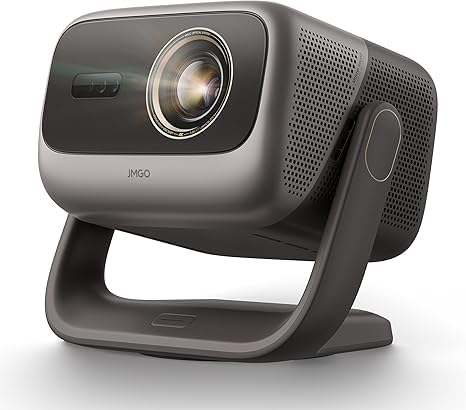
- 3-in-1, True Lossless, True Freedom: Get a perfect picture from anywhere. This 4K projector features...
- MALC 5.0 Triple Laser 5800 ISO Lumens: Powered by the new Qualas 32 triple laser engine, this laser...
- 300” Massive Screen, 3D & Dolby Vision Theater: Turn your wall into a 300-inch 4K projector home...
Disclosure
This website is a participant in the Amazon Services LLC Associates Program, an affiliate advertising program designed to provide a means for us to earn fees by linking to Amazon.com and affiliated sites.